
Patient guide
DIEP flap reconstruction, step by step.
What to expect from your first consultation to full recovery, written in plain language for you and your family.
- 4 to 5 hoursSurgery, under general anaesthesia
- About 4 daysIn hospital
- Around 6 weeksDriving and light daily activity
- 3 to 6 monthsMost restrictions lifted, then back to normal
Typical timings. Every patient is different, and Dr Gupta will guide you on yours.
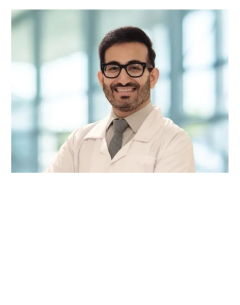
A personal note
"We understand that being diagnosed with breast cancer and facing a mastectomy is overwhelming. Our goal is to help you feel whole again. My team and I will support you at every step, from your first consultation through surgery and recovery. Please do not hesitate to reach out with any questions or concerns. We are here for you, and together we will get you through this journey."
How it works
Your own tissue, moved with microsurgery.
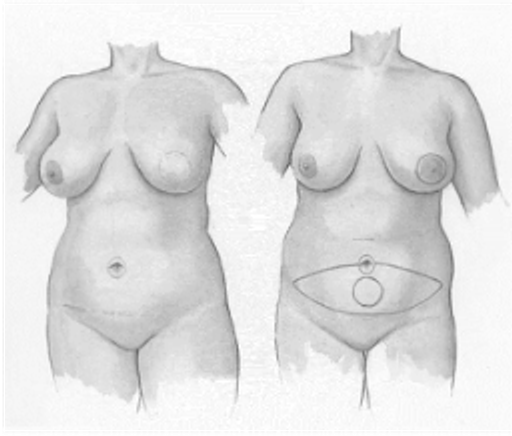
A DIEP flap uses skin and fat from your lower tummy to rebuild the breast, without taking any muscle. It is like a tummy tuck and a breast reconstruction at once. The result is a warm, living breast.
-
1
Tissue from the lower tummy
Skin and fat are lifted from the lower abdomen together with tiny blood vessels. The abdominal muscles stay in place.
-
2
Shaped into a breast
The tissue is moved to the chest and shaped to form the new breast.
-
3
Blood supply reconnected
Its blood vessels are joined to vessels in the chest under the microscope, so the tissue stays alive.
Why patients choose a DIEP flap
Natural feel
It is your own tissue, so the breast can look and feel very natural, and it ages and changes with you.
No muscle taken
Your abdominal muscles are preserved, which maintains core strength and minimises hernia risk.
Long-term
There is no implant that might need replacing; the reconstruction should last your lifetime.
Flatter tummy
Removing excess tummy skin and fat gives a flatter abdomen, a benefit many patients enjoy.
Immediate
At the same time as the mastectomy. It can spare you the experience of ever being without a breast.
Delayed
Months or years later, when you are ready. There is no strict time limit.
Your journey
From first visit to full recovery.
-
First visit
Consultation and planning
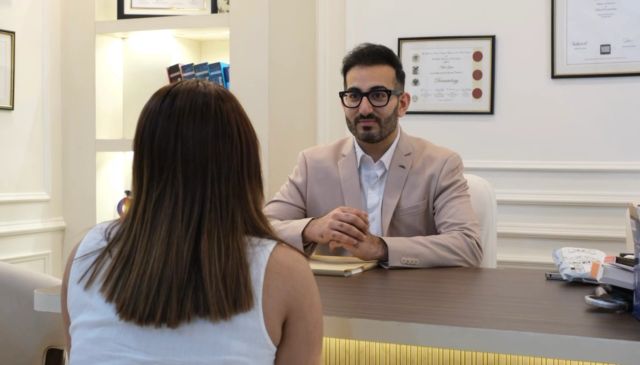
Dr Gupta explains the procedure, examines you to check there is enough abdominal tissue, and discusses timing: immediate or delayed. He reviews your medical history and previous surgeries, and you talk through recovery time, scar locations and possible smaller follow-up procedures such as nipple reconstruction.
Share your goals and concerns. Bringing a family member helps, as a lot is covered.
-
Weeks before
Preparing for surgery
- Tests: routine blood work and an abdominal CT scan to map your blood vessels.
- Stop smoking at least three weeks before surgery. This is critical to healing; we can help.
- Medicines: avoid aspirin, blood thinners and herbal supplements as advised. Tell us everything you take.
- Eat well and stay lightly active. Every bit of strength helps recovery.
- Pack your bag using the checklist below. Leave valuables at home.
-
Surgery day
The operation: about 4 to 5 hours
Arrive about two hours before surgery. You meet the surgeon, anaesthesiologist and nurses, the surgical sites are marked with a pen, and you review the consent forms. Surgery is under general anaesthesia and typically takes four to five hours; longer if both sides are done or other procedures are added.
You wake in recovery, then move to the ward or a high-dependency bed. Feeling groggy, sore or nauseous at first is normal, and the nurses can help.
-
Days 1 to 4
Recovery in hospital
Close monitoring of your new breast, pain control, and getting up and walking a little more each day. See the day-by-day guide.
-
Weeks 1 to 6
Recovery at home
Rest, short walks, wound care and your support garments, with check-ups at about 10 to 14 days and at 6 weeks. What to do at home.
-
6 weeks to 6 months
Back to normal
Driving, work and exercise return in stages. See the recovery timeline.
-
Optional, later
Finishing touches
Nipple reconstruction, fat grafting or symmetry surgery, if you want them. Extra procedures.
Before you go in
Hospital bag checklist.
Tick items off as you pack. Front-opening, loose clothing is easiest after surgery.
Days 1 to 4
Recovery in hospital.
-
Surgery day
Rest and monitoring
Pain relief through a drip or a PCA pump. Sips of water, then clear fluids. You may spend the first night in a high-dependency unit.
-
Day 1
Breathing and sitting up
Mostly rest in bed with breathing exercises; perhaps sit on the edge of the bed with help. Most patients can have a light meal in the morning.
-
Day 2
First steps
The physiotherapist helps you stand and take a few steps, slightly hunched, which is normal. Gentle arm exercises begin. A couple of visitors at a time.
-
Days 3 to 4
Getting ready for home
Walking slowly but steadily, pain controlled with tablets. Drains that are ready come out, mostly by day four. You leave with instructions and follow-up dates.
What you will have attached
An IV drip for fluids, a catheter for your bladder, a few drains from the surgical sites and compression stockings to prevent clots. They may feel odd but are temporary.
Why the frequent checks
Nurses check the blood flow to your new breast often, along with your vital signs. You lie slightly propped up with pillows under your knees and are kept warm to help circulation. This is routine after microsurgery.
Weeks 1 to 6
Recovery at home.
Rest and routine
Take it easy for the first two weeks. You will tire quickly; short activity, lots of rest and naps are normal.
Wound care
Keep glue or tapes clean as advised; most stitches dissolve. Showering is usually fine within two to three days. Pat dry. No soaking in a bath for about 6 weeks.
Pain relief
Keep taking your prescribed medicine and reduce gradually, often by two weeks. Stool softeners or prune juice help with constipation.
Support garments
Wear the abdominal binder day and night for about 6 weeks, and your support bra continuously except in the shower, as advised.
Keep walking
Short, frequent walks of 5 to 10 minutes. No lifting over 2 kg and no driving yet. Gentle shoulder rolls; avoid reaching overhead.
Sleeping
On your back, propped up with pillows (some use a recliner). Side-sleeping is often comfortable by four to six weeks.
Wound check; remaining drains or stitches removed. You may see the physiotherapist.
Review with Dr Gupta to discuss progress and next steps.
Getting back to normal
Your recovery timeline.
A typical guide. Individual experiences vary, so always follow Dr Gupta's advice.
- Weeks 1–2
Rest and basic self-care. Walk around the house. No chores, no driving.
- Weeks 3–4
More energy. Light tasks like washing dishes. Still no heavy lifting.
- Week 6
Driving with clearance. Light cleaning, shopping with light bags, brisk walking.
- Weeks 8–12
Most of your routine. Jogging, yoga and non-contact sport from about 2 months.
- 3 months
Most restrictions lifted. You can pick up children.
- 6 months
Usually fully back to normal. Scars keep maturing for up to 18 months.
Optional
Finishing touches.
The DIEP flap is the major step. Some patients choose small adjustments later. All are optional and Dr Gupta will discuss them at follow-up.
- A few months later
Nipple and areola
A nipple created under local anaesthesia; the areola tattooed later to match. Outpatient, minimal downtime.
- 3 to 6 months
Fat grafting
Your own fat, for example from the thigh, fills small dimples to fine-tune the shape. More
- Once healed
Scar refinement
Small puckers at the ends of the tummy scar ("dog ears") or a wider scar can be revised. Usually minor.
- 6 to 12 months
Opposite breast
A lift or reduction on the other side so both match in size and position. More
Questions
Frequently asked questions.
How long will I be in hospital?
Usually about four days. You will go home when it is safe and you are ready.
Is the surgery safe? What are the risks?
A DIEP flap is a complex surgery but in experienced hands it is very safe. Major complications are uncommon, but could include bleeding, infection, or problems with the flap blood flow. In roughly 0.5 per cent of cases, the flap may fail and require emergency re-operation or, in the worst case, removal. We monitor you extremely closely to prevent this, and take precautions against clots and other complications. Dr Gupta will go over all risks with you beforehand.
How much will it hurt?
It is a big surgery, so discomfort is expected, especially in the abdomen, which feels tight, like after too many sit-ups. The chest may feel sore. Modern pain control keeps you as comfortable as possible, and many patients say the pain was less than they expected. By two weeks, tablets usually suffice.
Will I go home with drains?
Most drains are removed before discharge. If one is not quite ready, you might go home with it for a few extra days; you will be shown how to care for it and it will be removed in clinic.
What will the result look like?
The goal is a breast that looks natural in a bra and in fitted clothing. Without clothes you will see differences such as scars, and an absent nipple unless it is recreated. The tummy scar is low and usually hides under underwear. Many patients are very pleased, especially once all stages such as the nipple tattoo are done.
When can I exercise or swim?
Light exercise such as brisk walking in about four to six weeks. More intense exercise and swimming around two to three months, after the wounds have fully healed. Always ease in gradually.
I am anxious about the long surgery.
That is completely understandable. While you are asleep, an experienced microvascular and breast surgery team works together to keep everything smooth and efficient. If you are very anxious, tell us: we can arrange for you to talk in more detail with the anaesthesiologist, or with a former patient.
What if I need chemotherapy or radiotherapy afterwards?
Chemotherapy usually starts once you have healed, about four to six weeks after the operation; a DIEP flap should not significantly delay it. If radiotherapy is needed after an immediate reconstruction, the flap tolerates it, but the breast may tighten or shrink a little over time, which can often be corrected later with fat grafting. Dr Gupta coordinates the timing with your oncologist.
Can I have this reconstruction later?
Yes. A DIEP flap can be done years later as a delayed reconstruction, with no strict time limit. The process is largely the same, except there is no mastectomy at the same time and the chest skin will be scarred from the earlier mastectomy.
We are here to help
Questions about your reconstruction?
If you would like to talk anything through or book a consultation, get in touch. We usually respond within one business day.
- Clinic
- The Chelmer Clinic, J-12/28 Rajouri Garden Extension, Delhi 110027
- Leaflet
- Download the printable PDF