
Reconstruction
Lymphedema, treatable now.
Lymphedema is the chronic swelling of an arm or leg, most often after breast cancer treatment. Microsurgery has transformed what we can do about it.
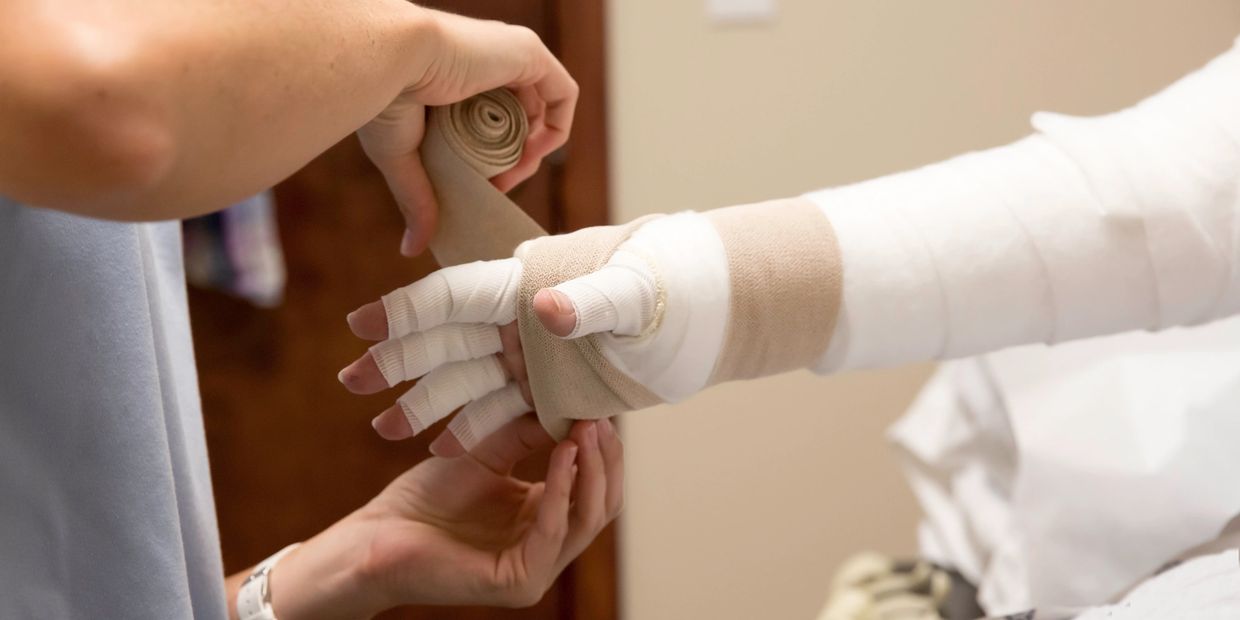
Understanding lymphedema
Lymphedema is a long-term condition caused by the build-up of lymphatic fluid, often occurring after breast cancer surgery, lymph node removal or radiotherapy. It leads to arm swelling, heaviness, tightness and sometimes infections, significantly affecting quality of life.
Preventive care: prophylactic LVA
For women undergoing breast cancer surgery with lymph node removal, prophylactic Lymphovenous Anastomosis (LVA) can be performed during the same operation. This reduces the risk of lymphedema developing in the future. It is safe, effective, and seamlessly integrated into your cancer surgery.
Microsurgical treatment options
These are supermicrosurgical procedures, performed under high-powered microscopes.
Lymphovenous Anastomosis (LVA)
- A supermicrosurgical procedure where lymphatic channels are connected directly to tiny veins
- Diverts lymphatic fluid and reduces swelling
- Minimally invasive, performed under high-powered microscopes
- Best suited for early-stage lymphedema
Lymph Node Transfer (LNT)
- Involves transplanting healthy lymph nodes from another part of the body, such as the groin or neck, to the affected arm
- Helps restore lymphatic drainage and improve long-term outcomes
- Suitable for more advanced or chronic cases
Conservative and supportive care
- Compression therapy. Custom-fitted compression garments to reduce swelling.
- Manual Lymphatic Drainage (MLD). Gentle massage techniques to stimulate lymphatic flow.
- Physiotherapy and exercise. Specialised rehabilitation programmes to maintain mobility and prevent progression.
- Infection prevention and skin care. Education on hygiene, skin care, and the early signs of infection.
Frequently asked questions
Please reach us at guptasamarth@hotmail.com if you cannot find an answer to your question.
What causes lymphedema after breast cancer treatment?
Lymphedema happens when lymph nodes or lymphatic channels are damaged or removed during surgery or radiotherapy, reducing the body's ability to drain lymphatic fluid from the arm. This leads to swelling and discomfort.
Can lymphedema be prevented?
Yes. With prophylactic LVA, performed at the time of cancer surgery, the risk of lymphedema can be significantly reduced. Early physiotherapy, skin care and exercise also help lower the chances.
What are the treatment options available?
Treatment depends on the stage of lymphedema. Early cases benefit from LVA and compression therapy, while more advanced cases may need lymph node transfer. Conservative care like compression garments and physiotherapy is always part of the plan.
Is lymphedema surgery permanent?
Microsurgical procedures like LVA and LNT provide long-lasting improvement, but results vary depending on the stage of the disease. Many patients see reduced swelling, fewer infections and improved quality of life.
How do I know if I should see a lymphedema specialist?
If you notice arm swelling, heaviness, tightness or frequent skin infections after breast cancer treatment, you should consult a lymphedema specialist early. The sooner treatment starts, the better the results.
Begin with a conversation.
If you would like to discuss your options or arrange a consultation, Dr Gupta and his team are here to help.
Request a Consultation