Reconstruction
Your own tissue. Lifelong.
Flap-based (autologous) reconstruction uses your own living tissue to rebuild the breast after mastectomy, including the DIEP technique, which preserves the abdominal muscle entirely.

Autologous tissue reconstruction
Flap-based breast reconstruction uses the patient's own tissue, usually from the abdomen, back or thigh, to create a natural, long-lasting breast mound without the need for implants. This advanced approach offers superior aesthetic outcomes, better durability, and is especially beneficial for women who have undergone radiation therapy.
Why choose Dr Gupta
Dr Samarth Gupta is among the first in India to establish a dedicated programme for flap-based breast reconstruction, and remains one of the very few surgeons in the country performing these complex microsurgical procedures regularly. With international training and a deep commitment to innovation, he has helped set new standards for autologous breast reconstruction in India, providing women with safe, natural and personalised reconstructive options.
DIEP flap breast reconstruction (immediate)
Autologous reconstruction performed simultaneously with mastectomy.
The procedure
- The procedure is performed simultaneously with mastectomy, eliminating the need for a separate surgery.
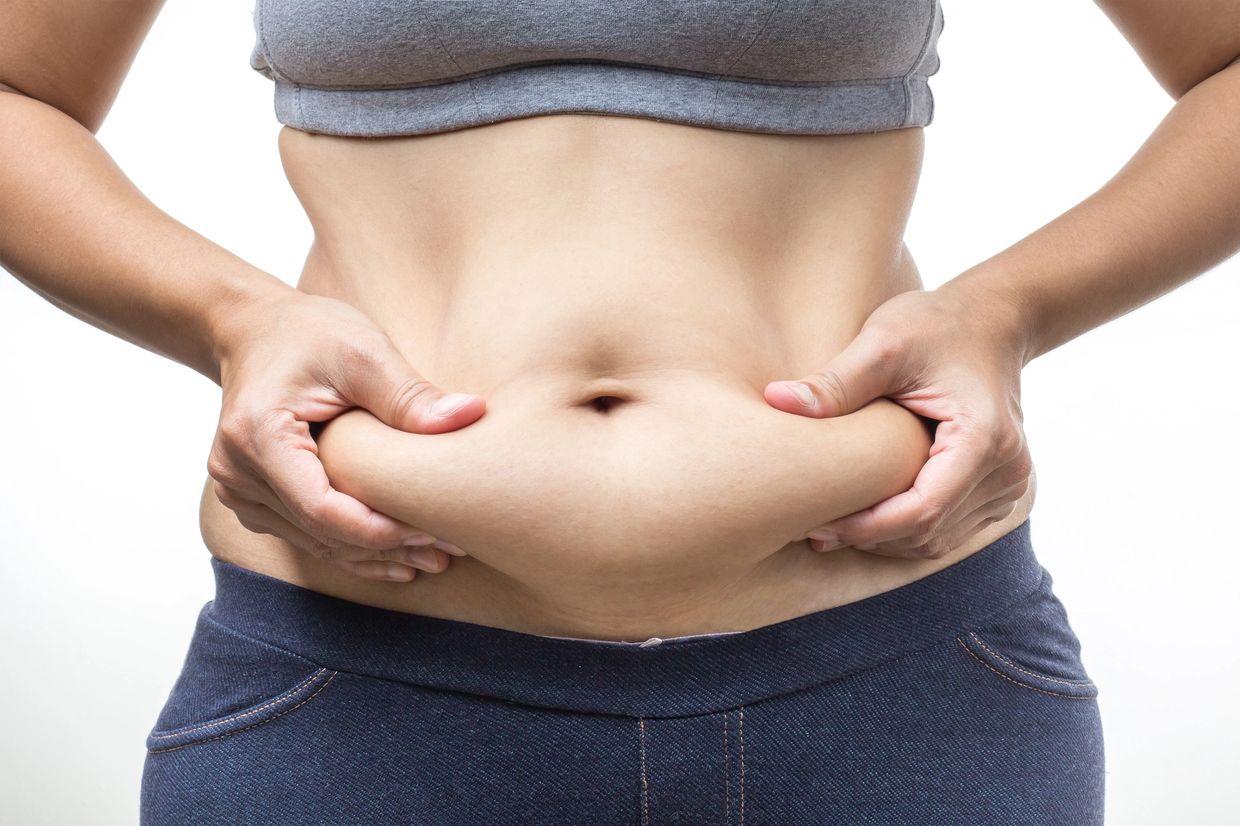
- Tissue from the lower abdomen, skin and fat, is harvested to create the new breast.
- Microsurgical techniques are used to reconnect blood vessels, ensuring proper blood flow to the transferred tissue.
- The approach preserves abdominal muscles, minimising the risk of weakness or hernia.
- The abdomen benefits from a tummy tuck effect while providing natural tissue for reconstruction.
- This single-surgery method optimises recovery, streamlining the healing process and minimising downtime.
Immediate DIEP flap reconstruction is performed at the time of mastectomy, allowing patients to wake up from surgery with a natural breast contour. This approach not only minimises the psychological impact of mastectomy by avoiding a period without a breast, but also takes advantage of the existing surgical field, potentially reducing overall recovery time.
During the procedure, tissue from the lower abdomen is carefully harvested and transferred to the chest. Advanced microsurgical techniques are used to reconnect blood vessels, ensuring the transferred tissue receives adequate blood flow. The abdominal area benefits from a contouring effect, similar to a tummy tuck, while the chest is reconstructed with soft, natural tissue that integrates seamlessly. This simultaneous reconstruction option is ideal for many women seeking immediate restoration, offering both aesthetic and emotional benefits.
Recovery and aftercare
- Hospital stay: typically four to five days for monitoring and initial recovery.
- Single recovery period: both mastectomy and reconstruction are completed together, reducing the need for multiple recoveries.
- Light activities: patients can resume light activities within four to six weeks.
- Full recovery: most patients return to their normal routines by eight weeks.
- Follow-up care: regular follow-ups are scheduled to monitor flap health and healing progress.
- Personalised care: pain management, flap monitoring and recovery plans are tailored to each patient's needs.
- Support and guidance: our team is dedicated to providing continuous support throughout the recovery process.
DIEP flap breast reconstruction (delayed)
Autologous reconstruction using your own body fat. The Deep Inferior Epigastric Perforator (DIEP) flap is a state-of-the-art breast reconstruction technique that uses a woman's own abdominal skin and fat to create a natural-looking breast following mastectomy. Unlike older methods, the DIEP flap preserves the abdominal muscles, reducing postoperative discomfort and maintaining core strength.
The procedure
DIEP flap surgery involves transferring tissue from the lower abdomen to the chest, reconnecting tiny blood vessels under a microscope for optimal blood flow. This microsurgical technique requires high precision and expertise, ensuring the tissue remains healthy and integrates seamlessly.
Recovery and aftercare
Recovery from DIEP flap reconstruction typically involves a hospital stay of about three to five days, with most patients returning to regular activities within six to eight weeks. Follow-up care includes monitoring the flap's health, managing discomfort, and a gradual return to physical activity.
Why choose DIEP flap reconstruction?
- Natural look and feel. Since it uses your own tissue, the reconstructed breast looks and feels more natural compared to implants.
- Muscle preservation. Only skin and fat are transferred, preserving the rectus muscles, which minimises the risk of abdominal weakness or hernia.
- Long-lasting results. Unlike implants, which may need replacement, DIEP flaps are designed to last a lifetime.
- Dual benefit. In addition to breast reconstruction, the procedure also provides a tummy tuck effect by removing excess fat and skin from the lower abdomen.
A full patient guide is available in the DIEP information leaflet.
Transverse Upper Gracilis (TUG) flap breast reconstruction
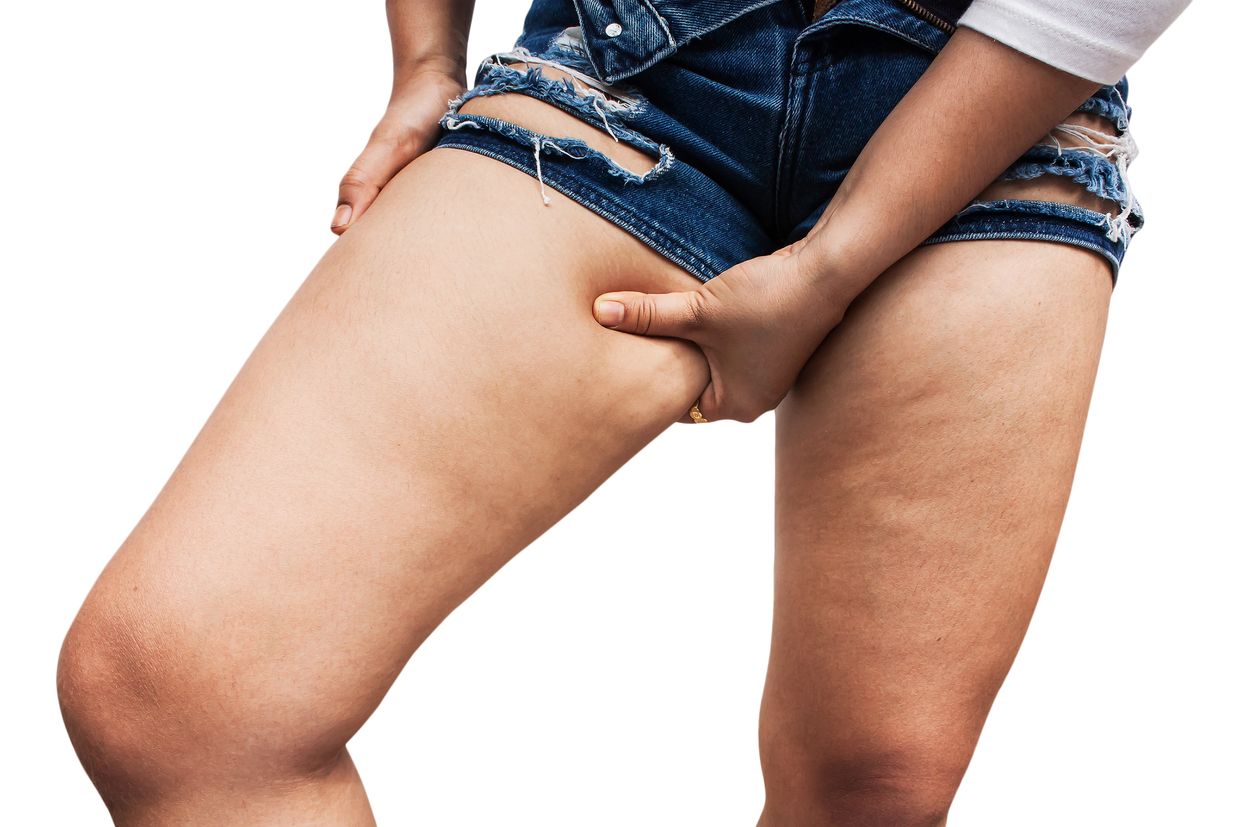
The Transverse Upper Gracilis (TUG) flap is an advanced autologous breast reconstruction technique that uses tissue from the inner thigh to create a natural-looking breast mound. This method is particularly well suited for women who do not have sufficient abdominal tissue for options like the DIEP or TRAM flaps.
Why choose the TUG flap?
- Ideal for slim patients. Provides an effective solution for women with limited abdominal fat.
- Dual benefit. Besides breast reconstruction, the procedure contours the inner thigh, resulting in a subtle lifting effect.
- Natural texture and shape. Thigh tissue closely mimics the softness and feel of breast tissue.
- Minimal donor site morbidity. The scar is strategically placed along the inner thigh crease, making it less visible.
The surgical process
The TUG flap is based on the gracilis muscle along with the overlying skin and fat, harvested from the upper inner thigh. The blood supply is derived from the medial circumflex femoral vessels, ensuring robust vascularity.
- Flap harvesting. Tissue is carefully elevated from the inner thigh, preserving vital structures.
- Microsurgical transfer. The flap is transferred to the chest and reconnected to local blood vessels for optimal integration.
- Breast shaping. Meticulous sculpting is done to achieve natural contour and symmetry.
Begin with a conversation.
If you would like to discuss your options or arrange a consultation, Dr Gupta and his team are here to help.
Request a Consultation